
School
Courses
Two common pathways we support: the Top Rope Guide (TRG) course and Continuing Education (CE) days. Email us to discuss dates, prerequisites, and goals.
TRG (Top Rope Guide)
Next course date: September 2–4, 2026
Duration: 3-day course
Price: $500 per person
A structured course focused on top-rope guiding systems, risk management, and professional standards. We’ll cover site assessment, anchor concepts, edge management, client communication, and efficient crag operations.
TRG Assessment
Cost: $250
Duration: 3–4 hours
Note: It’s not recommended to take the assessment immediately after the course. For the best results, practice the material and come back when you feel ready to test and pass.
Single Pitch Guide Course (SPG)
Duration: 3-day course
Price: $500 per person
A professional course covering single-pitch guiding skills, safety systems, client management, anchors, and risk management.
Prerequisite: TRG course required before SPG.
Note: Please email us for Fall 2026 registration and dates.
Rescue Course
Price: $250 per day
Format: Full day
Minimum: 2 people
Hands-on rescue skills for single-pitch terrain, including problem-solving, escaping the belay, assisted lowers, and hauling basics—focused on safe, efficient systems.
Anchor Course
Price: $250 per day
Format: Full day
Minimum: 2 people
Build confidence in anchor selection and construction, including equalization concepts, redundancy, extension management, and efficient transitions for top-rope and single-pitch setups.
CE (Continuing Education)
Availability: Anytime by appointment.
Skill refreshers and targeted clinics for guides and experienced climbers. Choose a focus (anchors, rescue scenarios, movement coaching, or decision-making) and we’ll tailor the day to your objectives.
Price: $350 per person
Format: 8-hour day
Includes: Any PCGI fees
Minimum: 2 people
Requirement: Continuing Education is required every 3 years to keep your certification current.
PCGI and Continuing Education (CE)
PCGI and AMGA are both professional organizations that support training and standards for climbing instruction and guiding. One difference you may hear about is how ongoing competency is maintained: PCGI emphasizes Continuing Education (CE)—regular, skills-focused learning days—rather than relying primarily on repeated testing cycles.
For many guides, CE is a practical way to stay current: it supports targeted refreshers (anchors, rescue scenarios, risk management, and decision-making), mentorship, and updates as best practices evolve—while keeping the focus on real-world application.
What to expect
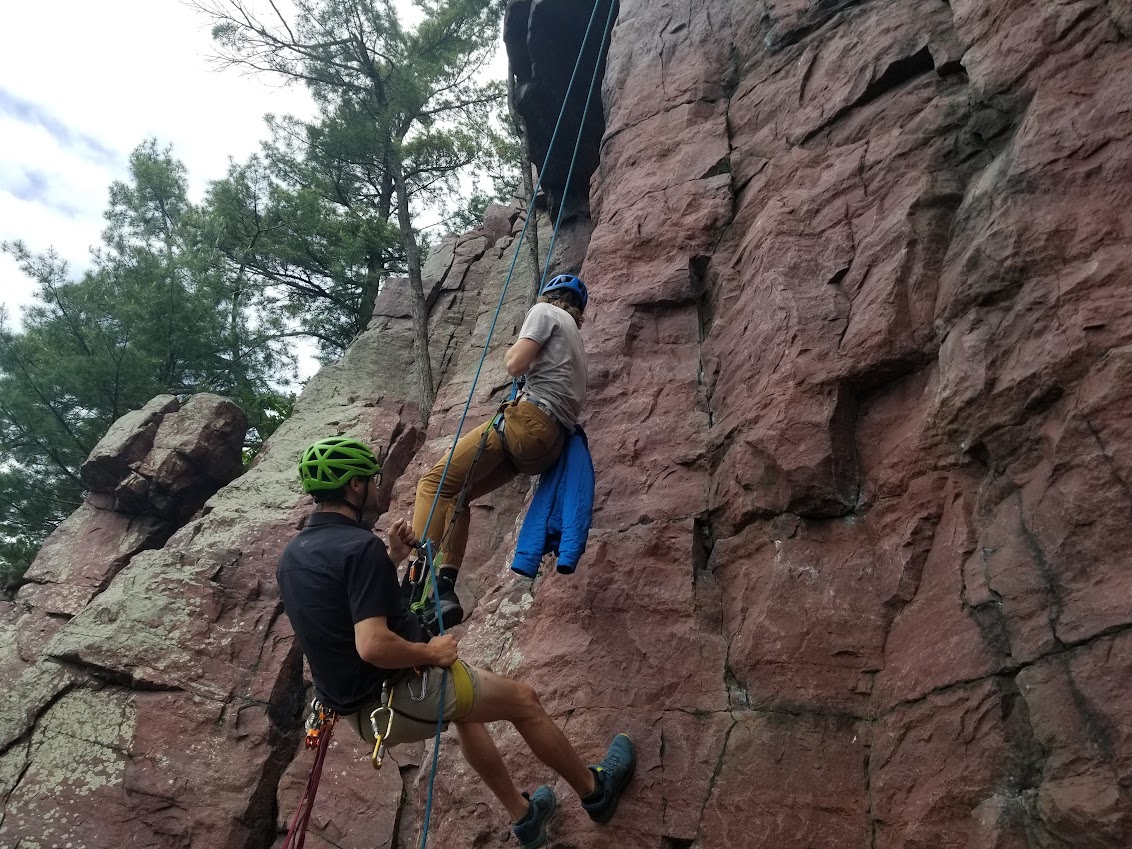
Small groups, hands-on practice, and clear feedback. Training is delivered at Devils Lake with real terrain and real systems—adjusted for conditions and experience.
How to enroll
Email pcgiclimbers@gmail.com with your preferred dates, group size, and background. We’ll confirm availability and next steps.
PCGI
Classes & Certifications
Train with Devils Lake Climbing to build real-world skills for outdoor rock climbing. We offer instruction and PCGI-aligned coursework focused on safe systems, efficient movement, and confident decision-making at Devils Lake.
Overview
What we offer
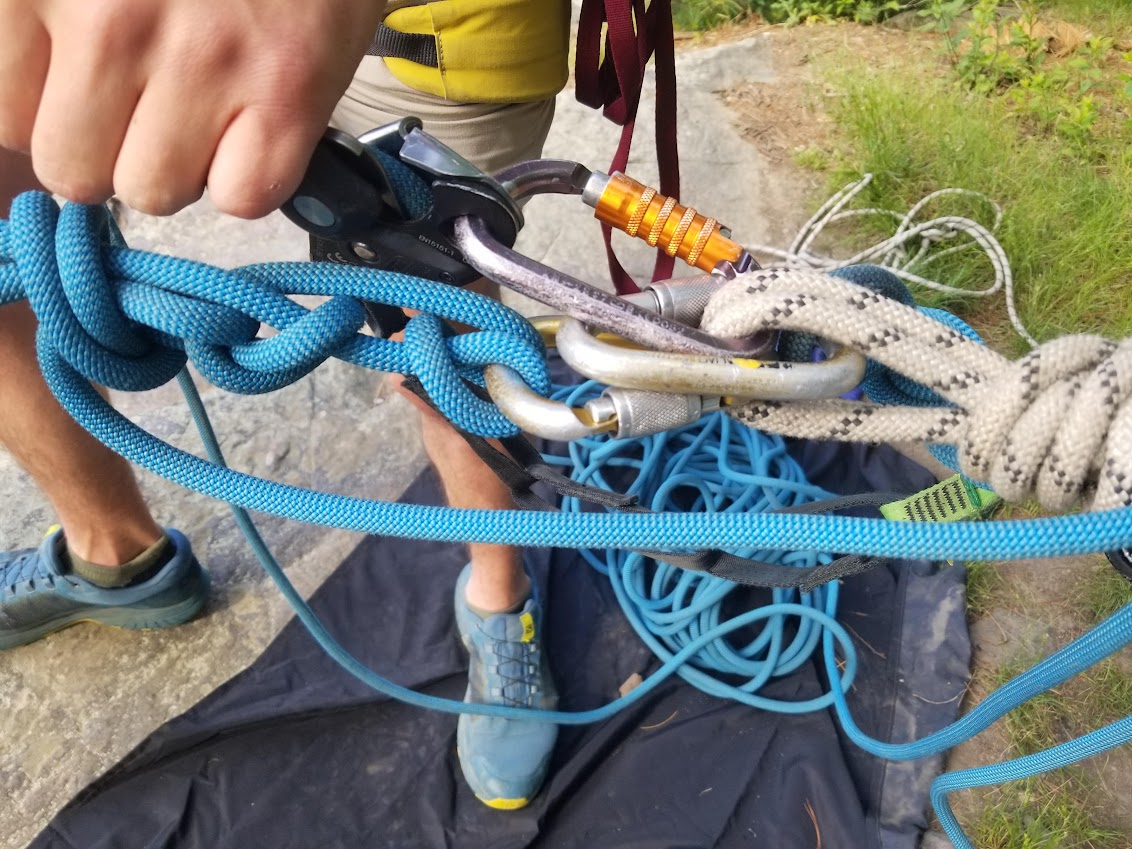
Our classes are designed for climbers who want structured instruction in outdoor systems and best practices. Sessions are taught at Devils Lake and tailored to your experience level, with a strong emphasis on risk management, communication, and repeatable processes you can use on your own.
Curriculum
Class topics
Choose a focused session or combine topics into a longer training day. Content is adapted to conditions and your goals.
Outdoor fundamentals
Knots, belay checks, communication, movement coaching, and efficient crag flow for a safer day outside.
Top-rope systems
Site assessment, anchor basics, redundancy and extension concepts, edge management, and top-rope setup/cleanup.
Lead skills (as appropriate)
Clipping, fall factors, belay technique, and decision-making. Taught only when prerequisites are met and conditions allow.
Rescue & problem solving
Common scenarios, self-rescue concepts, and practical problem-solving to help you respond calmly and effectively.
Next steps
Ready to train?
Tell us your experience level, goals, and preferred dates. We’ll confirm availability, recommend the right class, and share what to bring.